Better late than never, here is a summary of what took place during my first mini-trip to Senegal in July. The internet has been upgraded so stay posted on some “catch-up” posts from when the internet was either poor or non-existent. Disclaimer: If you like the photos they are probably from one of my teammate’s, most likely our photographer/videographer Micah Coltman.

On July 14th a group of 23 people from my training group departed from the Mercy Ships headquarters in Texas for our “field practice” service project in Dakar, Senegal. The primary purpose for this journey was to give us exposure to the Senegalese culture prior to arriving with the ship. This also forced us out of our comfort zones and provided opportunities for team building. Our field practice team was made up of people from the US, UK, Canada, France, Switzerland, Holland, Germany, and New Zealand.

While in Dakar our team worked on several service projects. Most of the service projects were in conjunction with the Dakar Academy, a Christian private boarding school in Dakar for ~200 students. Some of us also worked on projects to prepare the way for the ship. On the weekend we set out into the city and toured the African Renaissance Monument, a lighthouse, and the Dakar Academy main campus.
Our journey was mostly uneventful. We flew from Dallas, Texas to Washington, DC to Dakar, Senegal. We arrived in the Dakar airport at 6am and were pleasantly surprised to find the airport to be comparable in quality to most similar sized airports in the US.
Our first minor travel snag came when we had to pass through immigration. One member of our team could not locate her vaccination record card required for entering the country. A group of us aided our travel companion by dividing the contents of her bag on the floor, eventually we were able to comb her belongings and locate the document successfully.
The next issue was that the immigration officials had trouble admitting the two New Zealanders from our group into the country. Both Kiwi gals were required to step aside to fill out additional paperwork while the rest of us passed through immigration with little more than a glance at our passports and a random finger print check. As a side note, throughout our time in Senegal whenever “New Zealand” was mentioned we were met by smirks, giggles, and laughter by the locals. I hope to uncover the mysteries of this joke. The current leading theory is that “New Zealand” means something funny in the local language “Wolof”. I will keep you posted as we work diligently to uncover this mystery.
After everyone was admitted through immigration the last problem we encountered was that one of our checked bags did not make it off the plane. We did however get that bag back later in the week after it was retrieved from Johannesburg.
Upon leaving the airport we were greeted by our fearless German leader, Stefan who had arrived a few days earlier to ensure our accommodations and transportation were in order. We were then packed into rental vans and were given our breakfast of water & fruit. We then began our ~2 hour drive to where we would be staying for the next 12 days.
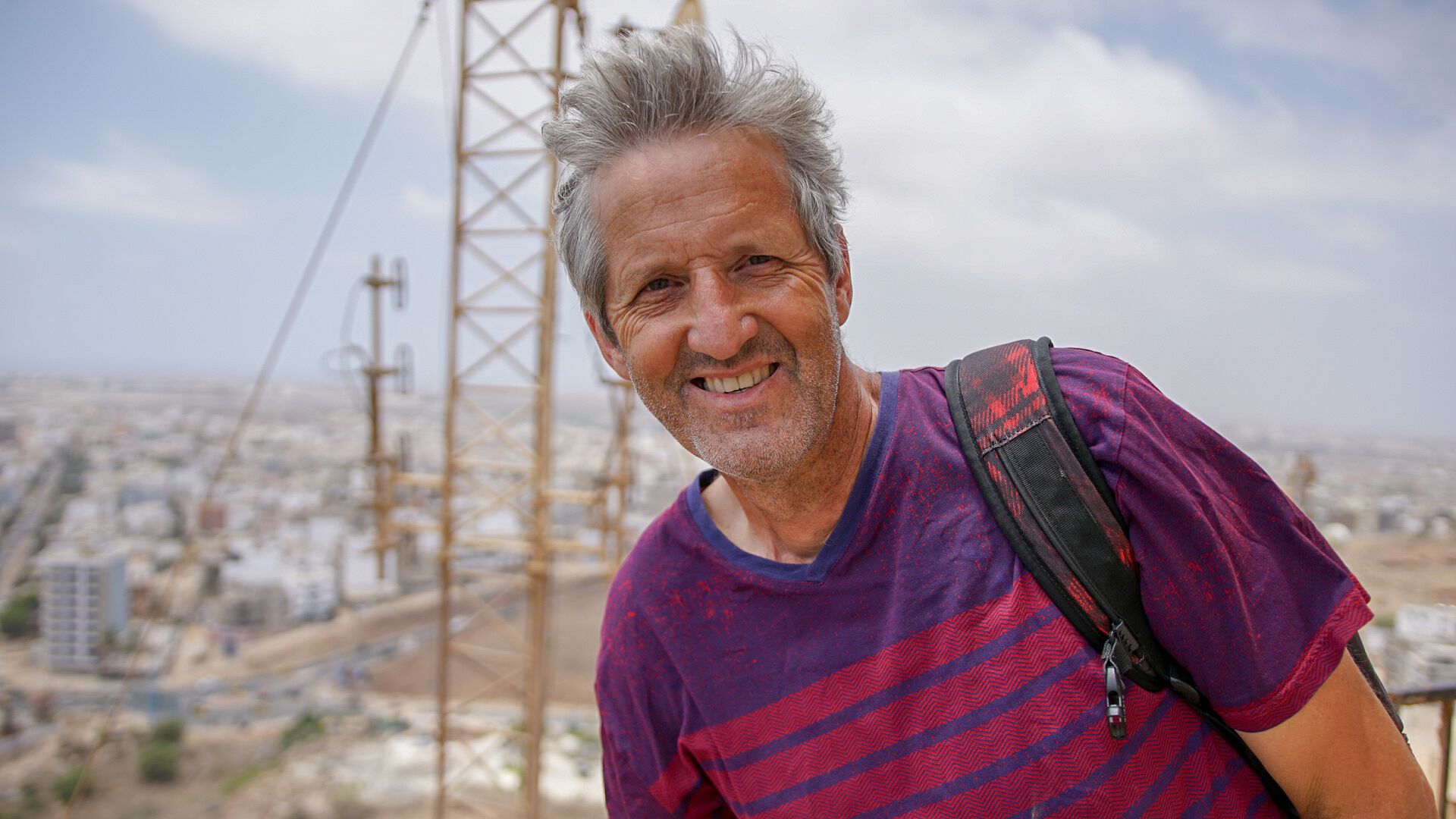
Stefan “Aye Aye Aye” Schmidt
During our drive we had our first taste of Senegal. Our initial observation was that the roads were brand new including storm water drainage systems. As we drove from the airport into town we passed a variety of buildings including brand new modern hotels and abandoned slums. As we got closer to the city the cars on the highway increased until we were in a complete traffic jam for the last hour or so of our commute. The vehicles on the road varied from the occasional german luxury car to oversized buses from the 1950’s with people hanging out the windows and standing on the back bumper. We also saw a few mule drawn buggies. The drivers of the vehicles mostly abided by the lines on the road when they were present but lane changes and merges looked more like colliding schools of fish as the concept of “safe driving distance” was completely foreign. Turn signal lights were only used as hazard lights for slow moving or grouped vehicles. Indicating turns was not a priority. Distances between vehicles during lane changes in many cases would be better measured in inches rather than feet. I am still unsure if that is “good” or “bad” driving. Though the precision was impressive, the amount of damage present on many of the vehicles would seem to indicate the latter.
Eventually we arrived to where we would call “home” for our first stint in Senegal. It was a conference center ran by United World Mission. The adjoining property under construction was a new extension campus for the Dakar Academy where we would do most of our work as part of our service.

After settling in to our rooms we explored the conference center campus and the nearby beach. For dinner that evening we were treated to Senegalese take-out pizza. Which was tasty but tasted a little different from what we were used to.
The next morning we were split into teams for which we would be performing a variety of service projects during our 12 day stint in Senegal. Before starting our projects we were given a quick Senegal primer by one of the administrators of the Dakar Academy. We learned about the basic customs and greetings that would be useful to keep in mind.
The service projects we worked on broke down as follows:
- Moving earth by shovel and wheel barrow for the construction of the Dakar Academy West Campus. The earth moved was used for grading various parts of the site including a playground.
- Installing false ceilings in the completed classrooms
- Moving sand for grading of a stone path & tile floors
- Working alongside the housekeepers for the conference center
- Assembling furniture for the conference center
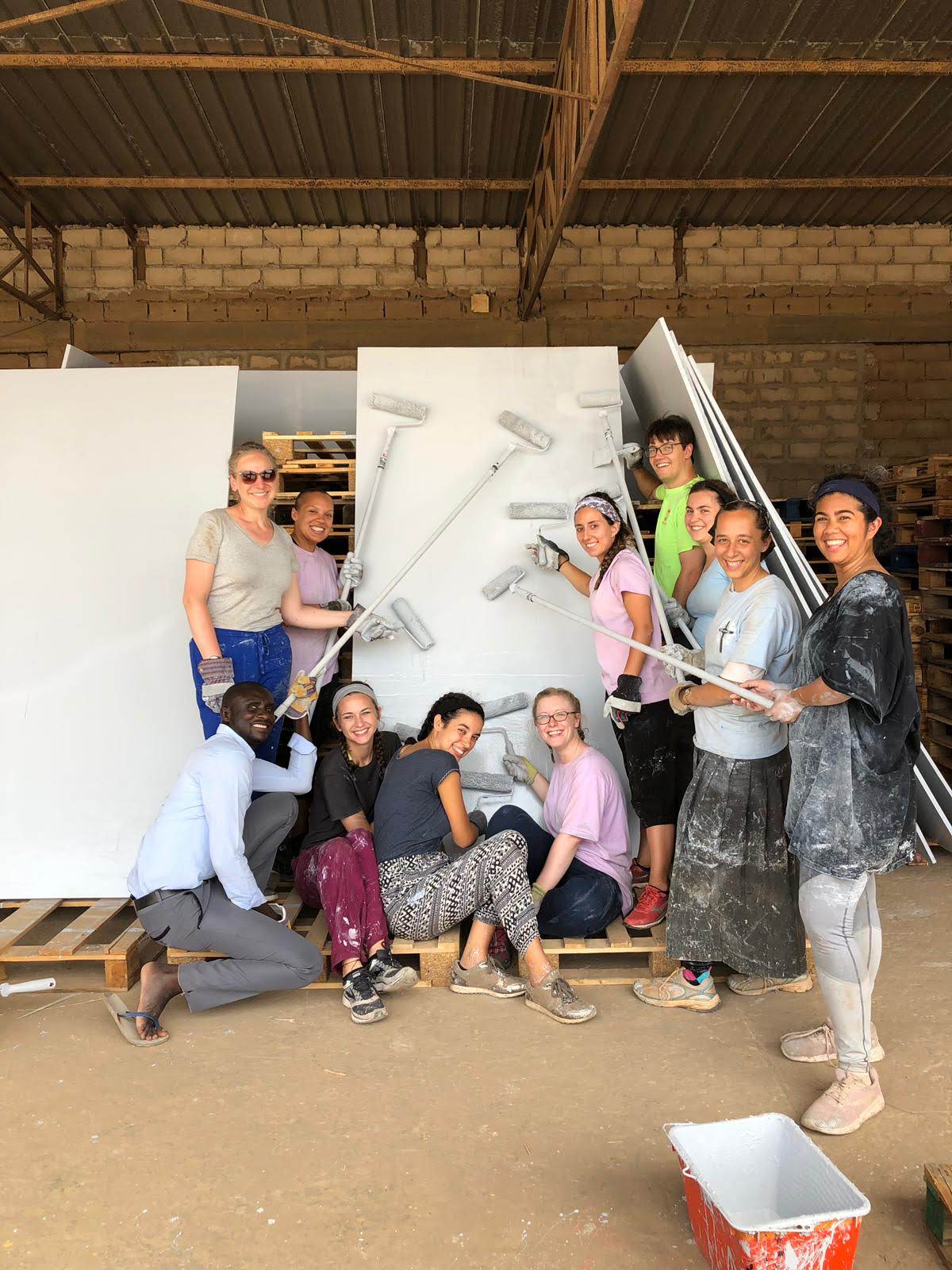
- Painting sheets of plywood to function as raised flooring for tent structures at the port where the ship will be stationed
- Move furniture and help organize items at the Dakar Academy
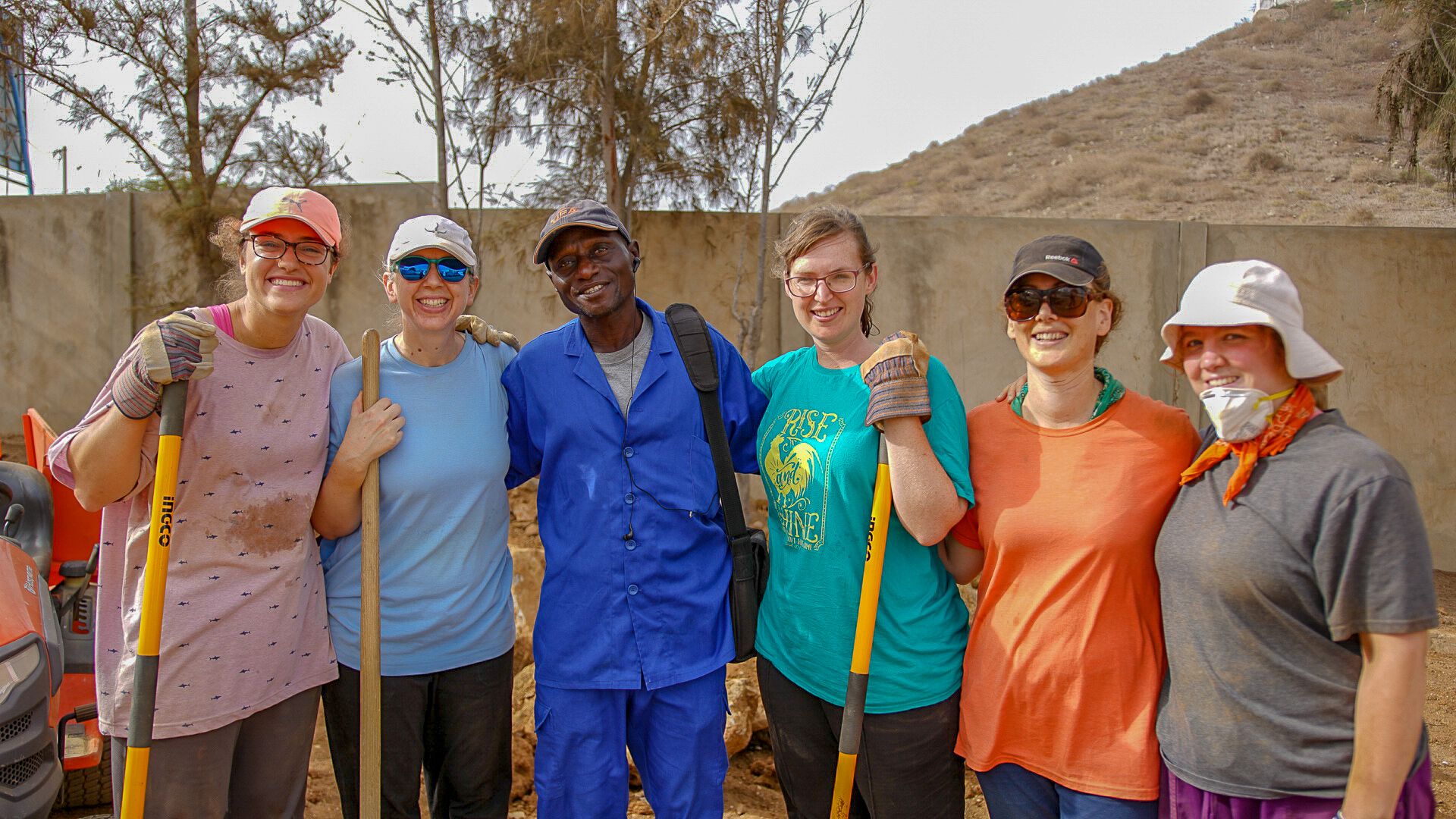

Our typical work day began at 6:15am where we ate breakfast and prepared a sack lunch. Breakfast and lunch consisted of a combination of baguettes, yogurt, cheese, nutella, peanut butter, wafer cookies, and fruit.
At 7am the painting team boarded a van to ride to the Hope Center across town where we painted boards. The Hope Center is the site off the ship where patients who live too far away from the ship can stay pre/post operation. Shortly after the painting team left the remaining teams began work on their various projects.
As part of the painting team we had a 20-30 minute commute each morning that was made more enjoyable by our driver, Lamine, who took great pride in his city and would take us a slightly different way each day. He would introduce us to famous buildings and landmarks, all in French, while our French and Swiss team members would translate. Over the 2-weeks in Senegal, Lamine became a true member of our team and even took part in our excursions across the city when we were not working.
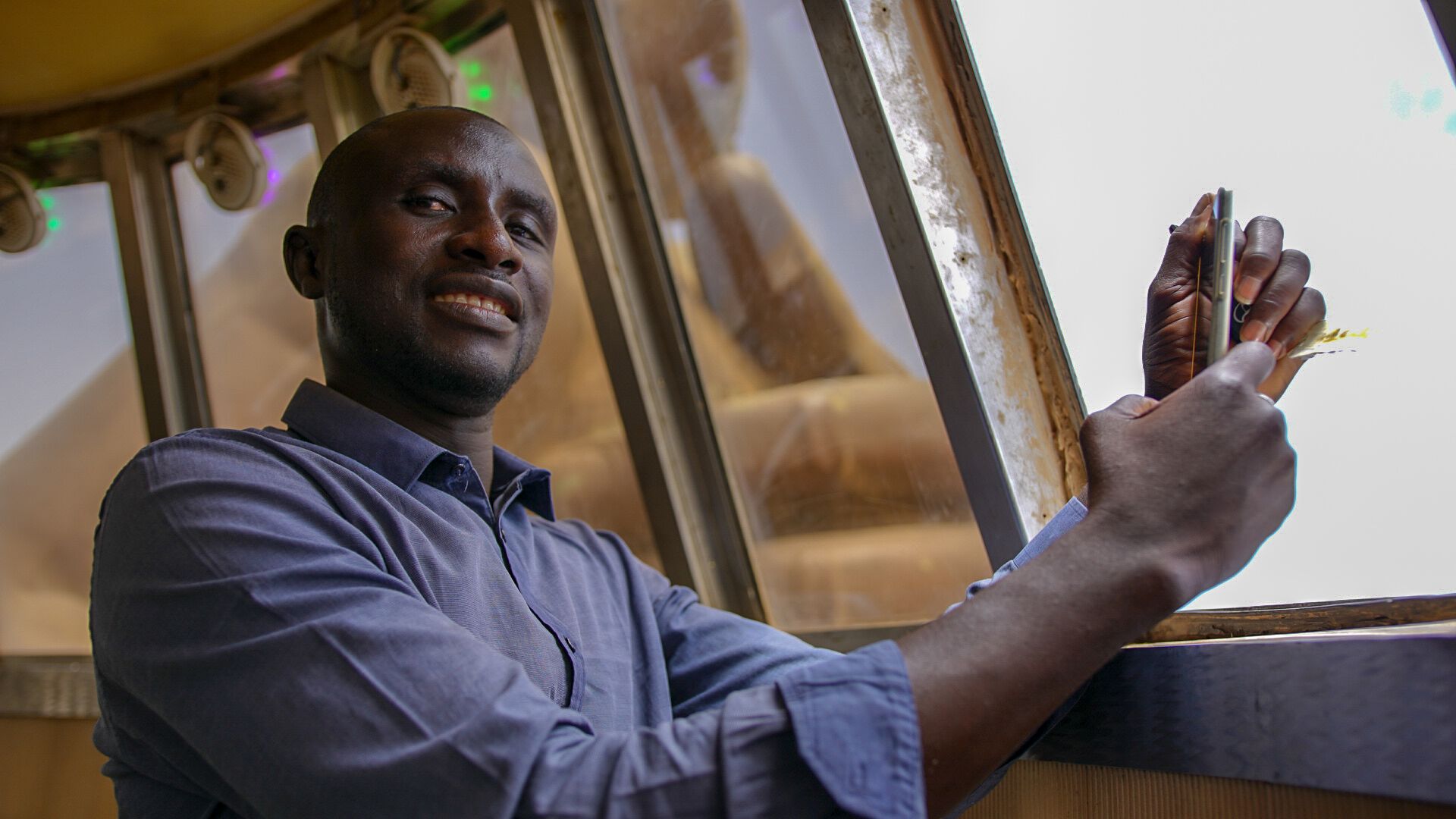
Each work day ended between 4-5pm and usually consisted of us taking our showers eating dinner and crashing in our beds but on several occasions we found the energy to go down to the beach or play some card games.
Directly following this time in Senegal we flew to the Canary islands to board the ship while maintenance was completed. Finally arriving on the ship was a welcome relief and a bit overwhelming for many of us after so many weeks of training and anticipation.
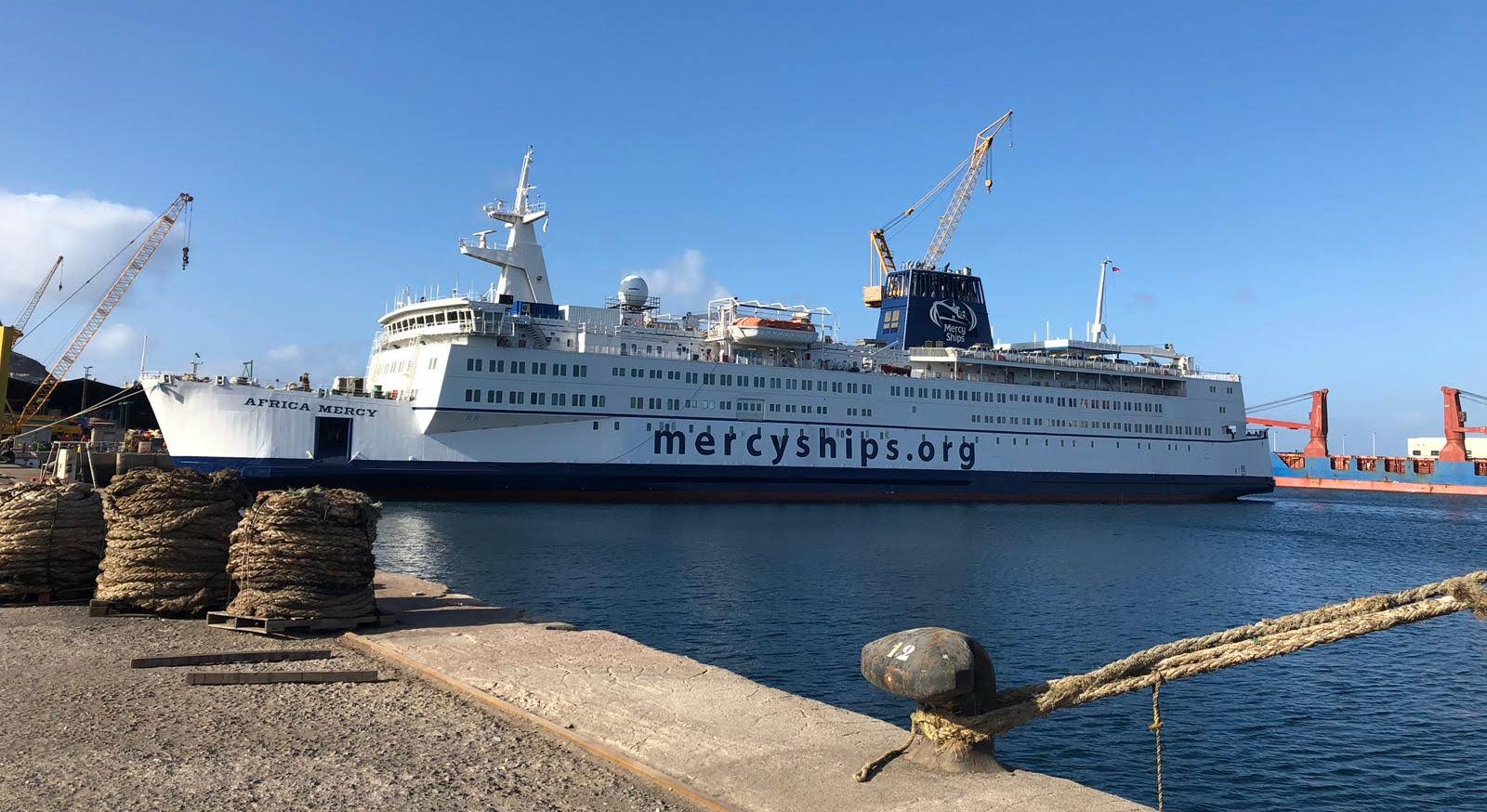
These first 12 days in Senegal as part of our field practice were a tremendous blessing and success. This time could have been stressful and tense as we were pushed outside our comfort zones in many ways. Thankfully we made it through this project time without any significant illnesses, injuries, or interpersonal conflicts. Our group grew much closer during this time and the Senegalese culture was significantly demystified.
After nearly two weeks in Senegal I greatly look forward to working with the local Senegalese workers who will join our team on board the ship and I look forward to meeting the people we will serve when the hospital starts up.
Thank you for your continued support! I am excited to witness how God uses the ship to bring hope and healing to the people of Senegal!

 Ben Stewart